Your vehicle must meet specific equipment standards, and you may be subject to a vehicle inspection by law enforcement at any time. Read through this information carefully to ensure you stay compliant with the law.
Essential Equipment
Your vehicle must have certain equipment to be legal:
- Brakes: Each vehicle should have two independent braking systems, both capable of stopping the vehicle on their own. The parking or emergency brake must be sufficiently robust to secure the vehicle on any slope.
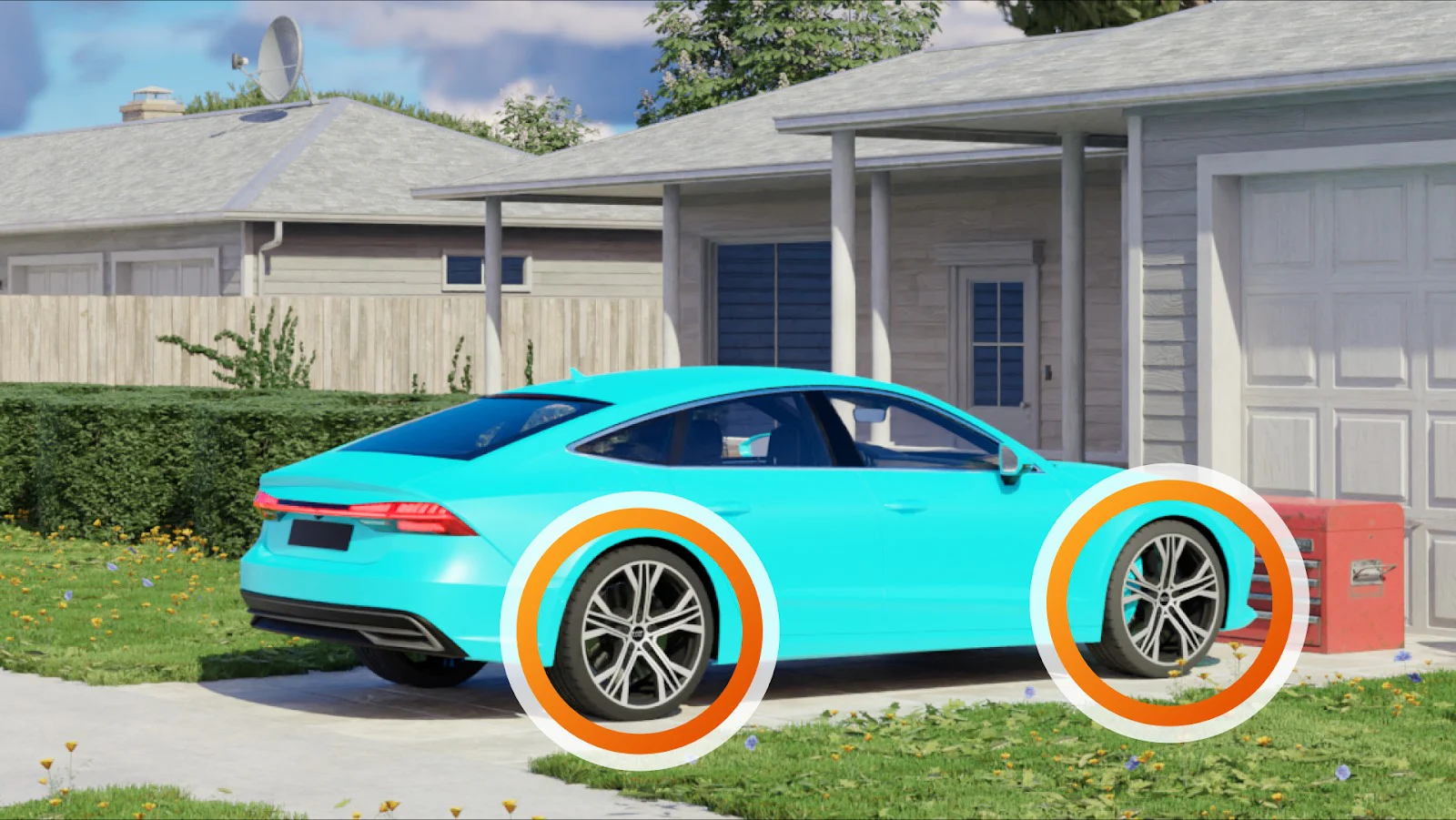
- Tires: Tires should have a minimum tread depth of 3/32 of an inch and show no worn spots that reveal the ply.
- Mirrors: At least one rear-view mirror is required, providing a clear view up to 200 feet behind the vehicle.
- Horn: Needs to be audible from 200 feet away.
- Mirrors: At least one rear-view mirror is required, providing a clear view up to 200 feet behind the vehicle.
- Low Beam Headlights: Must illuminate objects 150 feet ahead and be visible from 1,000 feet.
- High Beam Headlights: Must illuminate objects 450 feet ahead and be visible from 1,000 feet.
- Directional Signals: Should be amber or white for the front and red for the rear, visible from 500 feet.
- Taillights: Two red taillights visible from at least 1,000 feet.
- Brake Lights: Two red brake lights that must be visible from 300 feet during daylight.
- License Plate Light: A white light that ensures the license plate is visible from 50 feet away.
- Windshields: Should be made of safety glass and not have coverings or treatments that make them reflective or non-transparent. Only stickers required by law are allowed.
- Windshield Wipers: Must be operational and capable of clearing the driver’s view effectively.
- Side & Rear Windows: These windows cannot be made of, covered by, or treated with any material that is mirrored or reflects more than 25% of light for side windows or more than 35% for rear windows.
Prohibited Vehicle Equipment
Certain vehicle equipment is not allowed due to safety regulations:
- Lights: Red lights visible from the front and blue lights are prohibited, as they are reserved for emergency and law enforcement vehicles.
- Extra Lights: Vehicles must not have more than two spotlights, cowl or fender lights, fog lights, or any additional lights beyond the standard requirement.
- Sound Devices: Sirens, bells, or whistles are not permitted unless the vehicle is used for emergency purposes.
- Mufflers: Exhaust systems or mufflers that are excessively loud (audible from more than 50 feet) or emit smoke are not allowed.
- Windshield and Window: Signs, posters, or stickers are not permitted on the windshield or windows unless required by law.
- Video Devices: A “television-type receiver” visible to the driver while operating the vehicle is forbidden.
- Headsets/Headphones: It is illegal for drivers to wear headsets or headphones while driving.
Bumper Height Requirements
Owners of automobiles and pickup trucks must ensure that their front and rear bumpers are mounted within specific height limits. These requirements are determined by the vehicle’s net shipping weight, not by any modified or altered weight. Below are the maximum allowable heights from the pavement to the bottom of the front and rear bumpers:
- Cars:
- Less than 2,500 lbs.: 22 inches for both front and rear.
- 2,500–3,499 lbs.: 24 inches front, 26 inches rear.
- 3,500 lbs. and over: 27 inches for front, 29 inches for rear.
- Trucks:
- Less than 2,000 lbs.: 24 inches front, 26 inches rear.
- 2,000–3,000 lbs.: 27 inches front, 29 inches rear.
- 3,000–5,000 lbs.: 28 inches front, 30 inches rear.
Emissions Control Devices
It is illegal to tamper with, remove, or disable any pollution control device on your vehicle. Such actions can damage your vehicle, contribute to increased air pollution, reduce gas mileage, decrease vehicle efficiency, and exacerbate respiratory issues.
Vehicle Recalls
Staying informed about vehicle recalls is crucial for ensuring the safety and reliability of your vehicle. Recalls are issued when a manufacturer determines that a vehicle model has a safety-related defect or does not comply with federal safety standards.
Here are the steps to check for vehicle recalls:
- The NHTSA provides a dedicated tool for Vehicle Identification Number (VIN) searches at www.nhtsa.gov/recalls. This service allows you to enter your VIN and instantly find out if your vehicle is subject to a recall.
- Many vehicle manufacturers also offer a recall lookup feature on their websites, where you can enter your VIN to see if there are any active recalls.
- Consider signing up for email alerts from the NHTSA to receive notifications about new recalls that might affect your vehicle.