How to Stay Calm Teaching Your Teen to Drive
Practical ways to keep practice drives calm, give corrections that land, and end sessions before tension wins.
Start the parent programTeens with involved parents crash half as often. Calm involvement is what makes those hours count.
How do I stay calm teaching my teen to drive?
Agree on the plan before the drive, coach with short action words instead of criticism, save discussion for the debrief, and end the session early the moment tension takes over. Calm is a structure decision, not a personality trait.
The Zutobi Parent Driving System builds that structure into every session, with coaching language scripted for the moments that usually go wrong.
Why practice sessions get tense
You’re not imagining it, and you’re not alone. In a Zutobi survey of 1,000 U.S. adults, 54% of those who have taught a teen found it more stressful than expected, and 28% remember learning with their own parents as stressful.
You can see hazards your teen can’t yet, which makes silence feel dangerous.
Your teen reads your tone faster than your words, so alarm in your voice becomes alarm in their hands.
Set up the session before the engine starts
Most in-car arguments are really planning arguments. Settle them in the driveway.
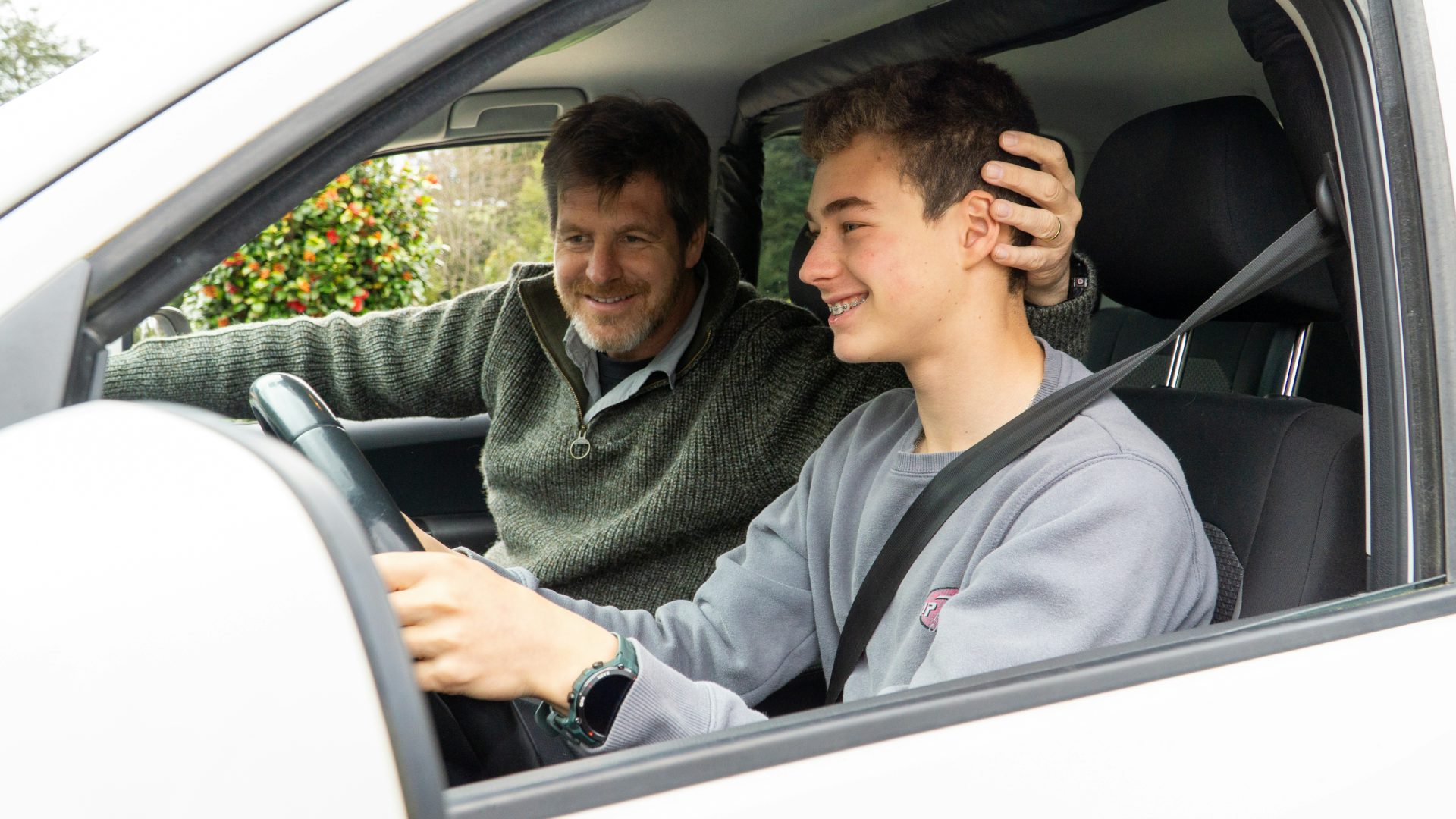
Agree on one skill focus and a time limit of 20 to 30 minutes.
Agree on the route or area, so navigation isn't debated mid-drive.
Agree on a pause word either of you can use to take a break without blame.
Decide what "done" looks like, so the session ends on a win.
What to say instead
In-the-moment corrections work when they name the next action. They fail when they name the failure.
“You’re going too fast”
“Ease off the gas.”
“You never check your mirrors”
“Check your mirror before you change lanes.”
“You braked way too late”
“Start braking when you see the light turn yellow.”
“A sharp breath and silence”
“Pull over at the next safe spot and let’s reset.”
When to pause or end a session
End early the moment either of you stops coaching and starts reacting. A 15-minute session that ends calm builds more skill than a 45-minute session that ends in a fight.
The reset, in order
Use the pause word, pull over, and breathe. If the reset doesn't hold, drive home yourself and try again tomorrow. One bad session predicts nothing about the next one.
How a structured system lowers the temperature
Arguments feed on ambiguity: what to practice, how it’s going, who said what. The Zutobi Parent Driving System, a five-phase coaching program that runs from permit prep to test day, removes the ambiguity.
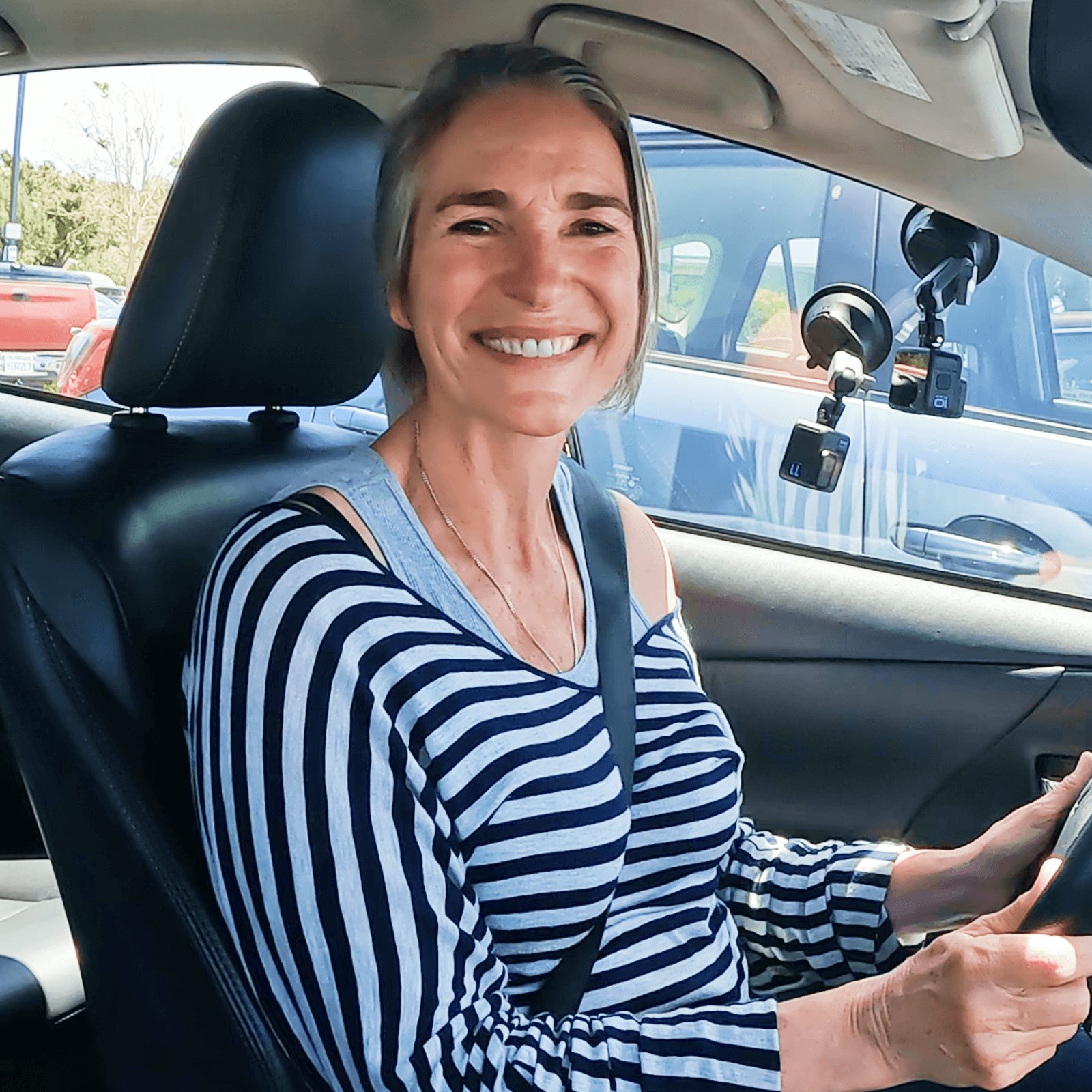 Every PTTG lesson is led on video by certified driving instructor Jacqueline R.
Featured in 1000+ media
Highlighted in top media outlets in the U.S.
Over 224,000 5-star ratings
Highly rated by our users on App Store and Google Play
4.8/5 Trustpilot score
Trustpilot is an independent review platform that's open to everyone
Key facts
54% of parents who have taught a teen found it more stressful than expected (Zutobi survey of 1,000 U.S. adults).
28% of adults remember learning to drive with a parent as stressful.
Corrections that name the next action ("ease off the gas") work better than corrections that name the failure.
Pre-drive agreements on skill, route, and time limit prevent most in-car arguments.
Short sessions that end calm build more skill than long sessions that end tense.
Staying Calm FAQ
Why do driving lessons with my teen end in arguments?
What should I do when my teen makes a dangerous mistake?
Should someone else teach my teen instead of me?
Is it normal to feel scared in the passenger seat?
How do I rebuild after a session that went badly?
Does staying calm actually affect how my teen drives?
Follow a Structured System Inside Zutobi
Calm comes from a plan you both trust. The system gives you one.
Start for free


