loved by
15.1+ million
users
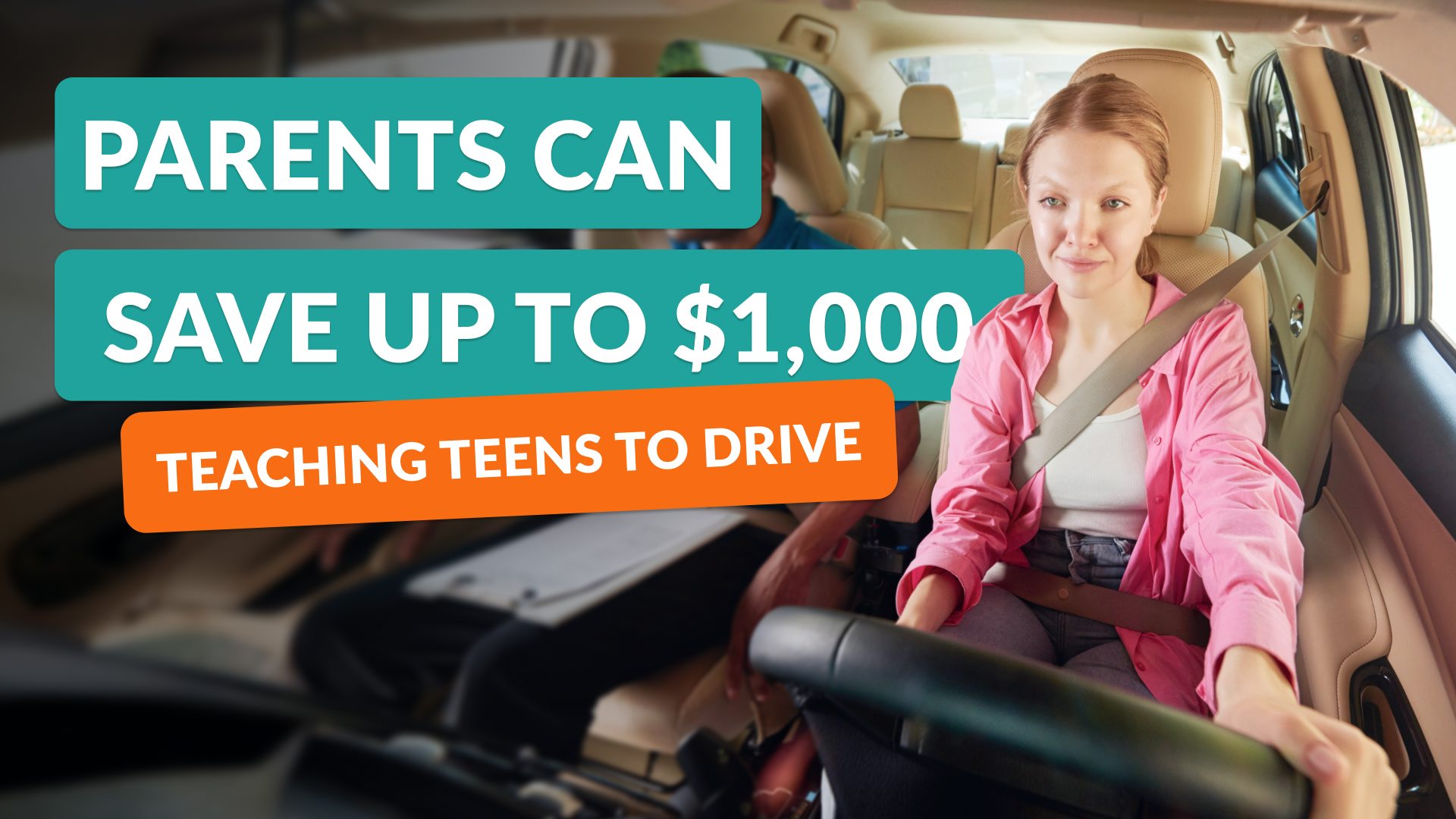
Parents Can Save Up to $1,000 Teaching Their Teen to Drive, If They Do It the Right Way

Learning to drive is one of the most expensive milestones in a teenager’s life, and most families don’t realize how quickly the costs add up. Between driver’s ed courses, professional driving lessons, testing fees, and repeat exams, many parents end up spending far more than expected.
The good news is that, with structured parent-led practice, families can often reduce the number of paid driving lessons their teen needs, saving hundreds of dollars, and in many cases up to $1,000, while also improving safety.
This is not about parents replacing professional driving instructors. It’s about making parental involvement more effective and better structured.
How Much Does Learning to Drive Really Cost?
What Does Learning to Drive Actually Cost?
| Cost Item | Low End | High End |
| Professional lesson rate | $50 / hr | $100 / hr (up to $150 in major cities) |
| Typical hours of professional lessons | 10 hrs | 20 hrs |
| Total lesson cost | $500 | $2,000 |
| Test retake fee (per attempt) | $5 | $25 |
| Car rental for road test (if using the school’s vehicle) | $150 | $200 |
The cost of learning to drive varies significantly depending on the state.
The cost of learning to drive varies significantly depending on the state, and it has been climbing.
Back in 2024, Zutobi’s Driving School Costs Report put the total price of U.S. driver education at around $640 in the most affordable states, up to $1,575 in the most expensive ones, with a national average of $937 and an average hourly rate of $72.
In 2026, hourly rates now commonly range from $50 to $150. In urban markets such as Orange County, California, local driving schools now charge $80-$140 per hour, with full packages between $410 and $999.
Across the U.S., families can realistically expect total learning costs in the $1,000–$2,000 range in 2026, depending on state, location, and how many lessons the teen ends up needing.
While costs vary by state, the overall 2026 picture is similar across the U.S.:
- Professional driving lessons: $50-$100 per hour (up to $150 in urban areas)
- Typical number of lessons: 10-20 hours
- Total lesson cost: $500-$2,000
- Additional costs: testing fees, retakes ($5-$25 per attempt), road-test car rental ($150+), and extra lessons when confidence is low
How Many Hours Can Parents Realistically Cover (Without Replacing Instructors)?
The Recommended Training Model: Hours & Costs
| Who Drives | Hours | Cost per Hour | Estimated Cost |
| Professional Instructor | 6–10 hrs | $50–$100 | $300–$1,000 |
| Parent-Led Practice | 40–60 hrs | $0 | $0 |
The most effective and safest approach is a shared model between parents and professionals.
A realistic breakdown looks like this:
- Total driving practice needed: ~50-70 hours
- Professional instruction: 6-10 hours
- Parent-led practice: 40-60 hours
When parent-led practice is unstructured, teens often still need 15-20 paid lessons.
When practice is structured, parents can safely cover:
- basic vehicle control
- lane positioning and steering
- turns and intersections
- parking fundamentals
- early hazard awareness
This often reduces professional lessons by 5-10 hours, translating into $250-$1,000 in savings, sometimes more, without compromising safety.
Safety First: Why Driving With Parents Matters
How Parental Involvement Affects Teen Driver Safety
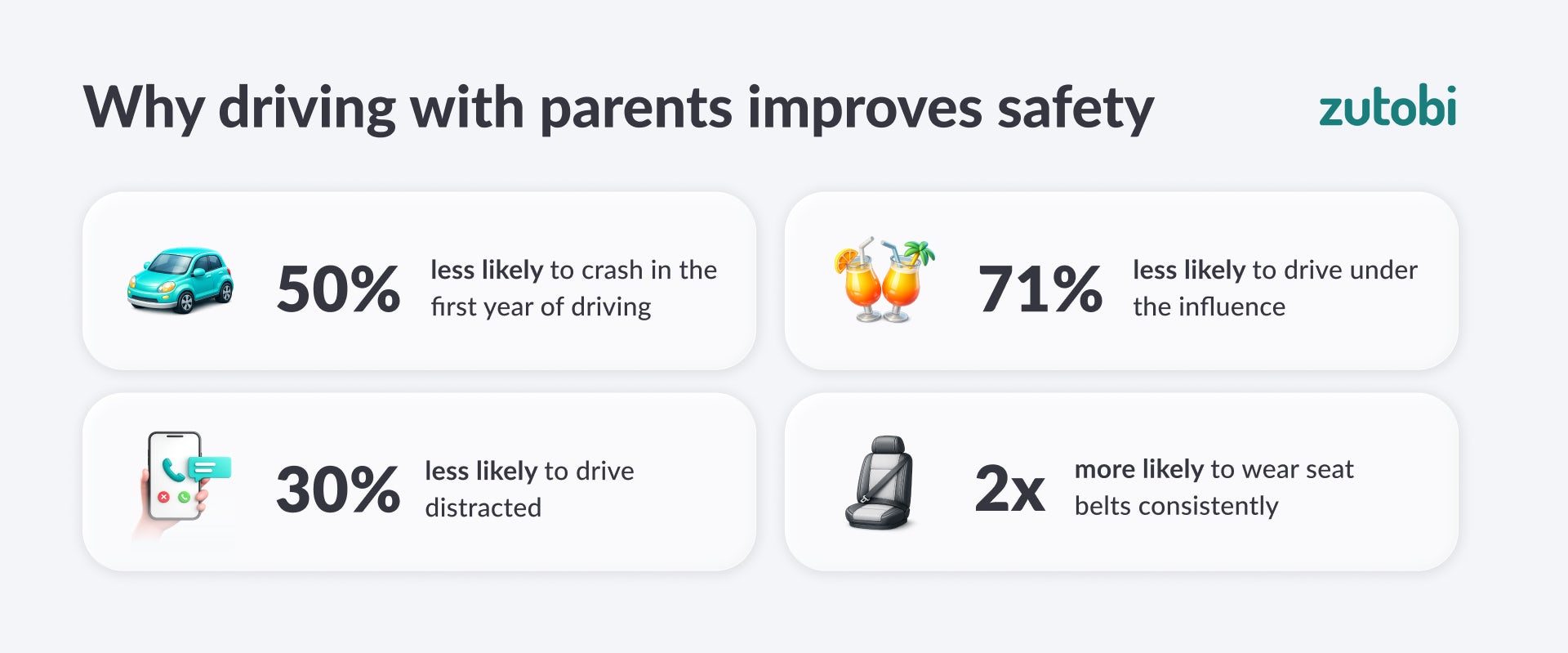
Parental involvement is not just about saving money, it is one of the most important safety factors in teen driving.
Research from the Children’s Hospital of Philadelphia (CHOP) and State Farm shows that teens with actively involved parents are:
- 50% less likely to crash in their first year
- 71% less likely to drive under the influence
- 30% less likely to drive distracted
- twice as likely to wear seat belts
The key is not simply more driving time, but guided, structured involvement. Parents help reinforce habits, awareness, and decision-making skills that directly translate into safer driving behavior.
Importantly, driving with parents does not fully replace professional instruction. Instead, it ensures that paid lessons are used efficiently, focusing on refinement and advanced feedback rather than fundamentals.
The Hidden Cost of Failed Tests and Retakes
Many families underestimate the cost of a second attempt.
A failed written or road test can lead to:
- additional testing fees (typically $20-$50 per attempt, depending on the state)
- extra professional lessons to rebuild confidence
- weeks or months of delays
- increased stress and anxiety for teens
Poor preparation, especially gaps in hazard perception and real-world decision-making, is one of the most common reasons teens fail on their first attempt. Structured learning and guided practice significantly increase the likelihood of passing the test on the first try, saving both money and emotional strain.
The Top 5 Mistakes Parents Make When Teaching Teens to Drive
- Practicing without a clear progression planRandom drives don’t build skills in a logical order. Teens may log hours without mastering core fundamentals.
- Staying in “easy mode” for too longAvoiding traffic, intersections, or parking delays skill development and creates anxiety later.
- Explaining instead of showingTeens often struggle with verbal-only instructions. Visual demonstrations dramatically improve understanding.
- Correcting everything at onceToo much feedback increases stress and slows learning. Focusing on one skill at a time leads to faster progress.
- Assuming more hours automatically mean better driversThe quality of practice matters more than the number of hours. Poor habits repeated often become harder to correct.
Avoiding these mistakes alone can significantly reduce the number of paid driving lessons needed.
What Matters Most to Parents During Driver Training
For parents, priorities are clear:
- safety, not just passing a test
- knowing what to practice and when
- confidence that they are helping, not confusing
- keeping overall costs under control
But there’s another factor many parents quietly struggle with: stress.
Most parents want to be involved, yet many feel unsure how to teach. They learned to drive in a very different way, often through informal instruction, minimal structure, and far fewer road complexities. Today’s teens face denser traffic, more distractions, and entirely different learning habits.
Teens today process information differently. They learn best through visual examples, short explanations, and step-by-step progression, not long verbal instructions shouted from the passenger seat. Without a clear structure, even well-intentioned parents can unintentionally slow progress or increase anxiety.
That’s why clear guidance matters. When parents know what to teach, in what order, and what to focus on, stress drops on both sides. Practice becomes calmer, more predictable, and far more effective, benefiting both safety and learning outcomes.
What Matters Most to Teens Today
Teen learning habits have changed.
Teens respond best to:
- short, focused lessons
- visual explanations
- interactive learning
- low-pressure environments where mistakes are part of the process
These preferences apply directly to driver education. Teens who understand how and why before driving tend to progress faster and require fewer corrective lessons later.
What Parents Want vs. What Teens Need
| What Parents Prioritize | What Teens Respond To |
| Safety — not just passing a test | Short, focused lessons |
| Knowing what to practice and when | Visual explanations over verbal instructions |
| Confidence they’re helping, not confusing | Interactive, hands-on learning |
| Keeping overall costs under control | Low-pressure environments where mistakes are part of the process |
| Reducing their own stress during sessions | Understanding the “how and why” before driving |
How Zutobi Helps Families Save Money and Prepare Teens Faster
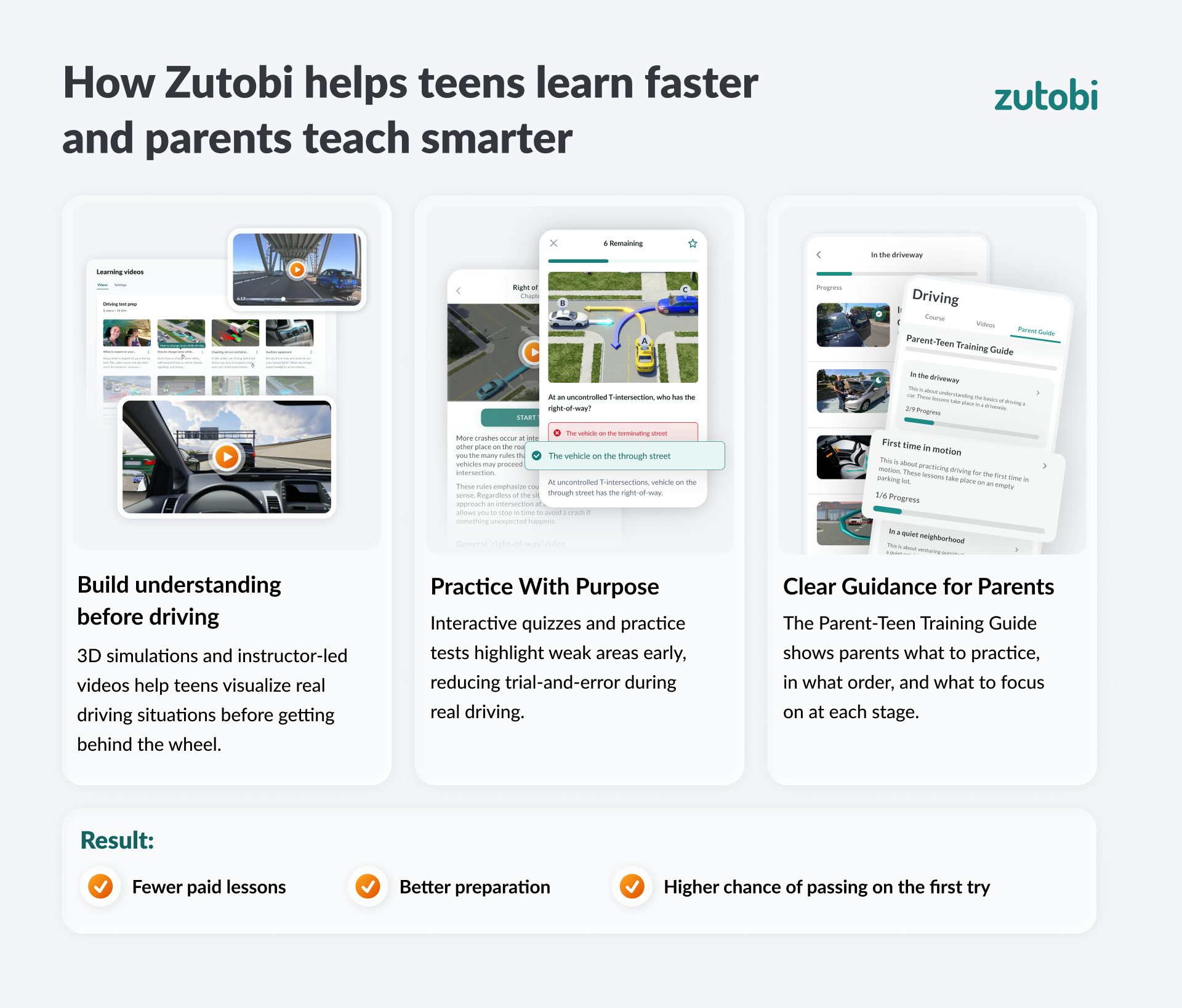
Zutobi is designed to help teens build a strong theoretical foundation before and during behind-the-wheel practice, making it one of the fastest ways to prepare for the driving test and pass on the first attempt.
A Theory Base That Actually Sticks
Zutobi’s app combines:
- 3D driving simulations that improve spatial awareness and hazard recognition
- instructor-led video lessons showing real driving maneuvers step by step
- interactive quizzes and practice tests that reinforce understanding and highlight weak areas
This unique multi-modal approach helps teens internalize key concepts before they get behind the wheel, reducing trial-and-error during real driving.
Parent-Teen Training Guide (PTTG)
The Parent-Teen Training Guide gives parents a clear roadmap:
- what to practice
- in what order
- how to progress safely
- what to watch for at each stage
This turns parent-led driving into structured, confidence-building practice, rather than guesswork.
Fewer Paid Lessons, Better Outcomes
When teens arrive at professional lessons with solid theory knowledge, visual understanding, and prior structured practice, instructors can focus on refinement instead of fundamentals. For many families, this means fewer paid lessons, faster readiness for testing, and a higher chance of passing on the first try.
The Takeaway
Parents don’t need to replace professional instructors to make a meaningful difference. With structured involvement, strong theoretical preparation, and the right tools, families can help teens learn faster, drive more safely, and significantly reduce the overall cost of learning to drive.
The goal isn’t to spend less by doing less, it’s to spend smarter by practicing better.
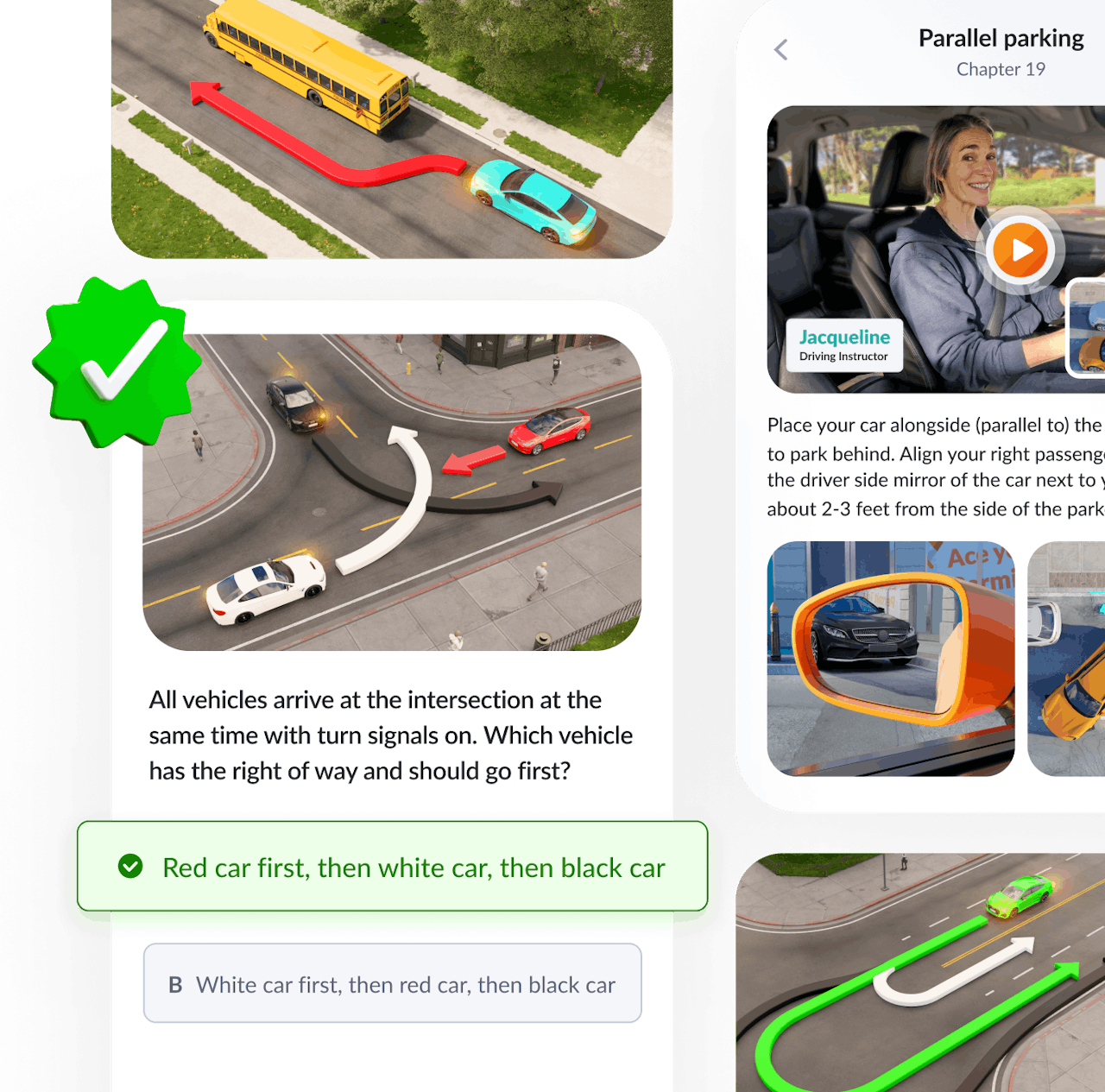
Take our full course with tests and theory
600+ exam-like questions and practice tests
Easy summarized DMV handbook
America’s #1 driver’s ed app with a 95.8% pass rate
Recommended articles

Ace your DMV test, guaranteed
Want to Be the Top School in Your Area?

- Simple & automated admin
- More time for teaching
- #1 learning materials for students
Start learning now
Resources
- Driver’s License Renewal
- How to Get Your US Driver’s License
- How to Prepare for Your Road Test
- How to Get a Driver’s Permit
- Behind-The-Wheel training
- Courses
- Blog
- FAQ
Show More


©2026 Zutobi AB, 4 Peddlers Row, Unit #103, Newark, DE 19702